Forehead and brows
Horizontal forehead lines must be planned together with brow position and the muscles that lift the forehead. Treating the lines without considering that balance can create heaviness.
Expression lines · facial balance · TMJ
Soften forehead lines, frown lines and crow’s feet while keeping the expressions that feel like you.
Book a free consultation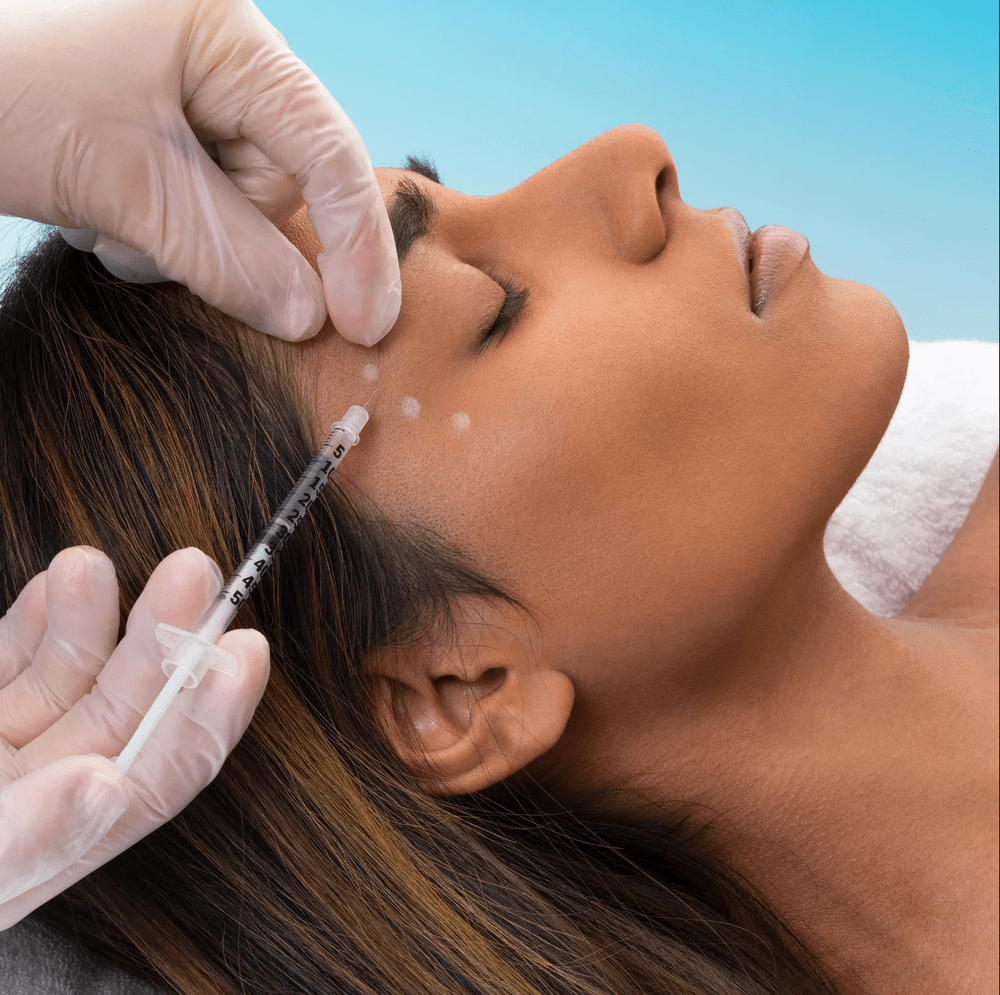
Botox and Dysport can soften the lines that make you look tired, tense or upset. Vanessa studies how your face moves, listens to how much change you want and plans a result that keeps your expression.
Horizontal forehead lines must be planned together with brow position and the muscles that lift the forehead. Treating the lines without considering that balance can create heaviness.
The muscles between the brows can create vertical “11” lines or a tense expression. Botox or Dysport can temporarily soften that repeated movement.
Careful placement around the outer eyes can soften lines created by smiling and squinting while preserving the warmth of your smile.
Selected patients may discuss a lip flip, chin dimpling, downturned corners or a gummy smile. These uses require precise assessment because small doses can influence speech, smile or oral function.
Treatment may be considered for prominent masseter muscles or jaw-clenching symptoms. It does not replace dental or specialist evaluation when pain, joint problems or tooth damage need broader care.
Botulinum toxin may reduce sweating in selected areas when medically appropriate. Candidacy, dose and expected duration are discussed separately from facial treatment.
Know before you book
Read the details here. Vanessa will make the information personal during your consultation.
Botox and Dysport are prescription neuromodulators used to temporarily reduce targeted muscle activity. They are best known for treating dynamic lines, the creases created by repeated expressions such as squinting, frowning or raising the eyebrows. As the selected muscles relax, the skin above them can appear smoother while untreated muscles continue to move normally.
The product is only one part of the result. Dose, placement, facial anatomy, muscle strength, and the balance between neighboring muscles all matter. That is why Dermalier begins with an assessment of your face at rest and in motion rather than applying the same injection pattern to every patient.
Botox and Dysport work in similar ways, but their formulations, dosing units, onset, and diffusion characteristics are not interchangeable. One is not universally better. Vanessa considers the treatment area, the strength and shape of your muscles, your previous response, and how much movement you want to retain before recommending a product.
A conservative plan can soften forehead lines, frown lines, and crow’s feet without flattening the personality of your expressions. Neuromodulators may also be considered for concerns such as a gummy smile, lip flip, chin dimpling, jaw clenching, or excessive sweating when clinically appropriate.
Treating one muscle group can influence another, especially across the forehead and brow. Dermalier looks at brow position, eyelid support, symmetry, and habitual expression before deciding where not to inject as carefully as where to inject. The goal is a rested, proportionate result that still looks like you.
Results are temporary and develop gradually. A follow-up may be appropriate after the treatment has fully settled, particularly for a first visit or when building a new plan. Maintenance timing is individualized rather than automatically placing every patient on the same schedule.
Temporary improvement of selected expression lines with a familiar, established product.
Botox and Dysport units are not interchangeable. Onset, dose and response vary by patient and treatment area.
Temporary improvement of glabellar frown lines and other selected concerns when Vanessa determines the product fits the plan.
Some patients notice change within several days. Final assessment still waits until the treatment has had time to settle.
Volume, contour or structural support rather than muscle-created lines.
Filler and neuromodulators solve different problems. Treating the wrong cause can add product without improving the concern.
What to expect
We discuss your goals, medical history, and the expressions you want to preserve.
Vanessa assesses your facial movement and chooses precise treatment points.
Treatment is quick, and results settle gradually over the following days.
Appointment guidance
These general guidelines support a better consultation. Your individual instructions may differ.
Candidacy
A consultation confirms candidacy. These points help you understand the kind of patient the treatment may suit.
Planning your investment
Cost depends on the product, number of areas, muscle strength and dose required to reach the agreed goal. A small lip-flip plan and treatment for several strong upper-face muscles are not priced the same because they are not the same treatment.
Vanessa maps the plan before treatment and explains the recommended dose and total. Dermalier does not choose a dose simply to fit a promotional number of units.
Get your treatment planBotox & Dysport FAQs
These are general answers. Vanessa will make them specific to you during your consultation.
Results commonly last about three to four months, although timing varies by patient, treatment area, dose, and metabolism.
The goal is a rested, balanced result. Your treatment is customized to soften targeted movement while preserving natural expression.
Many patients notice an initial change within a few days, with the final result typically visible within one to two weeks.
Common cosmetic areas include forehead lines, frown lines between the brows, crow’s feet, bunny lines, chin dimpling, and selected lower-face concerns. Treatment for jaw clenching, TMJ-related muscle tension, or excessive sweating may also be discussed when appropriate.
Both temporarily reduce targeted muscle activity, but their formulations and dosing units differ. The right choice depends on the area, your anatomy, prior response, and treatment goals; their units cannot be compared one-to-one.
Most patients return to routine activities the same day. Small bumps, redness, tenderness, or bruising can occur temporarily. You will receive aftercare instructions based on your treatment.